
- Audio-Technica AT-VMN40xML, pakaitinė patefono adata
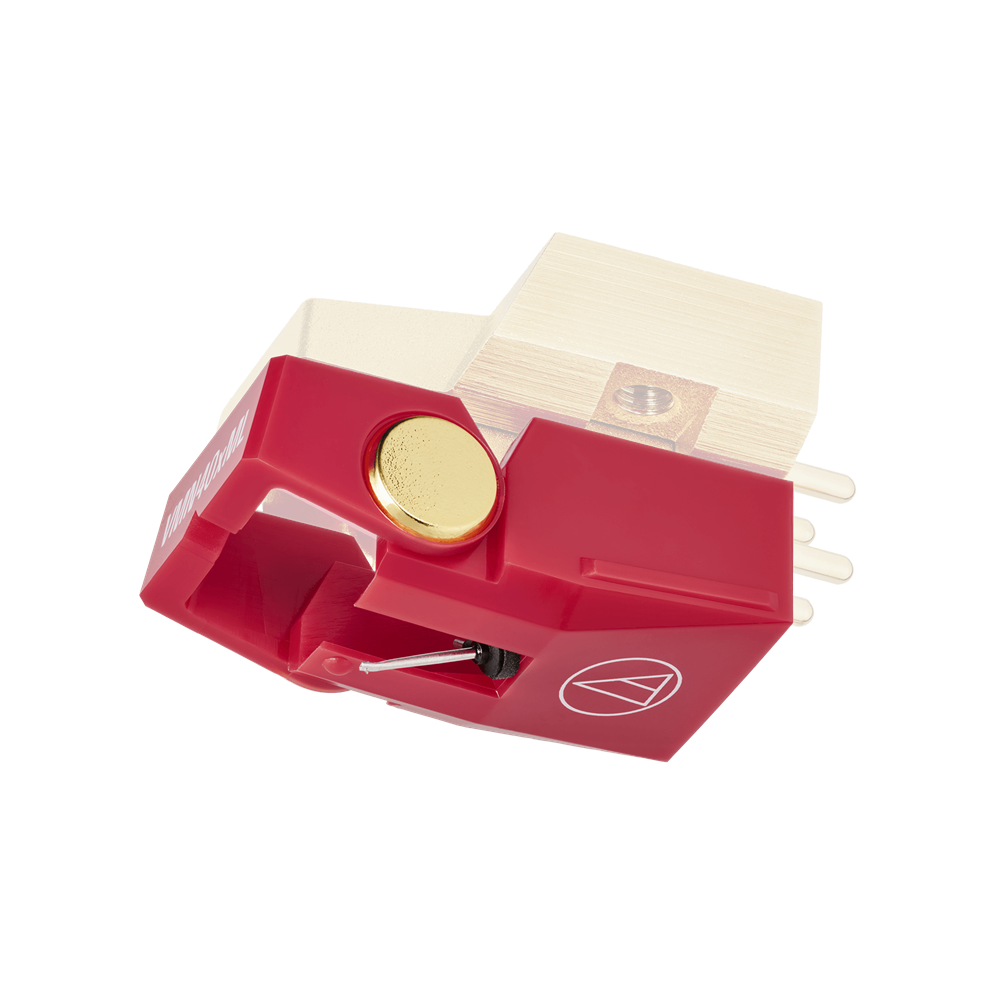

- Audio-Technica AT-VMN40xML, pakaitinė patefono adata - Raudonas korpusas, auksinis mygtukas, adata
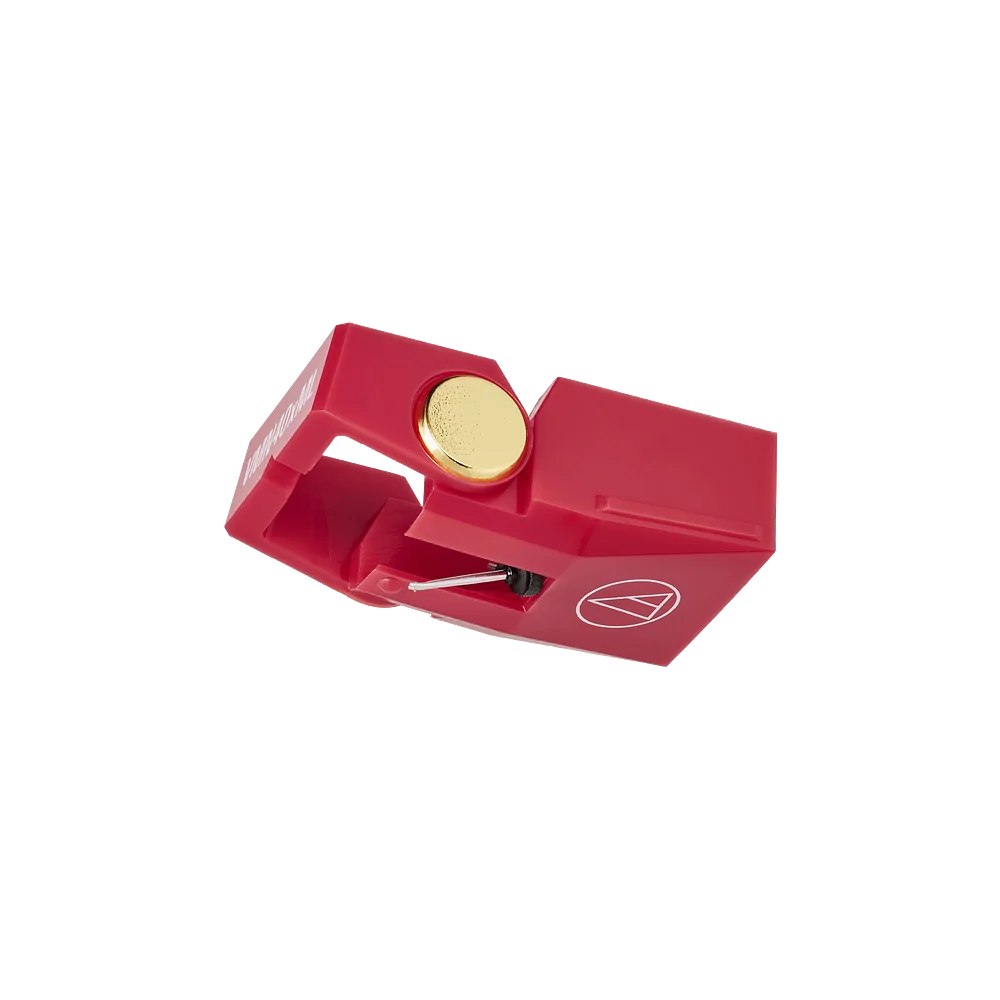
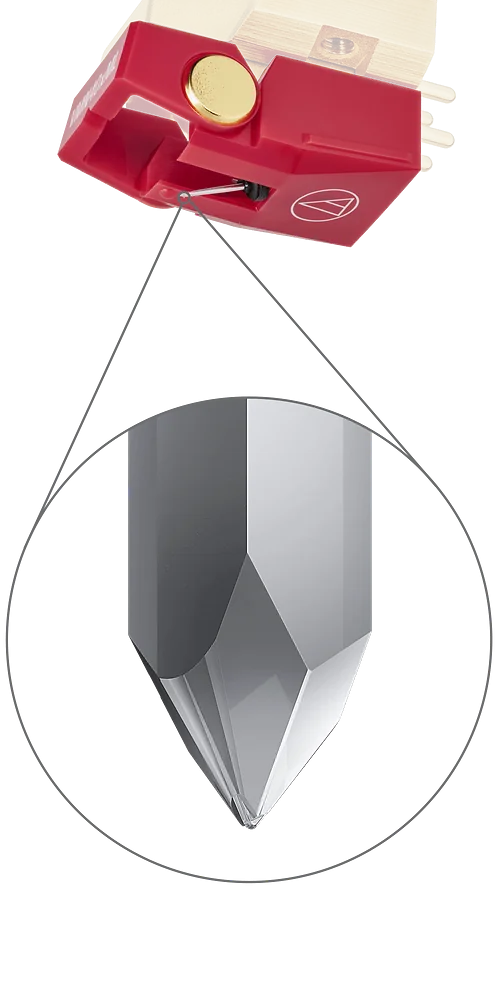
- Audio-Technica AT-VMN40xML, pakaitinė patefono adata - Raudonas korpusas, padidintas adatėlės galas

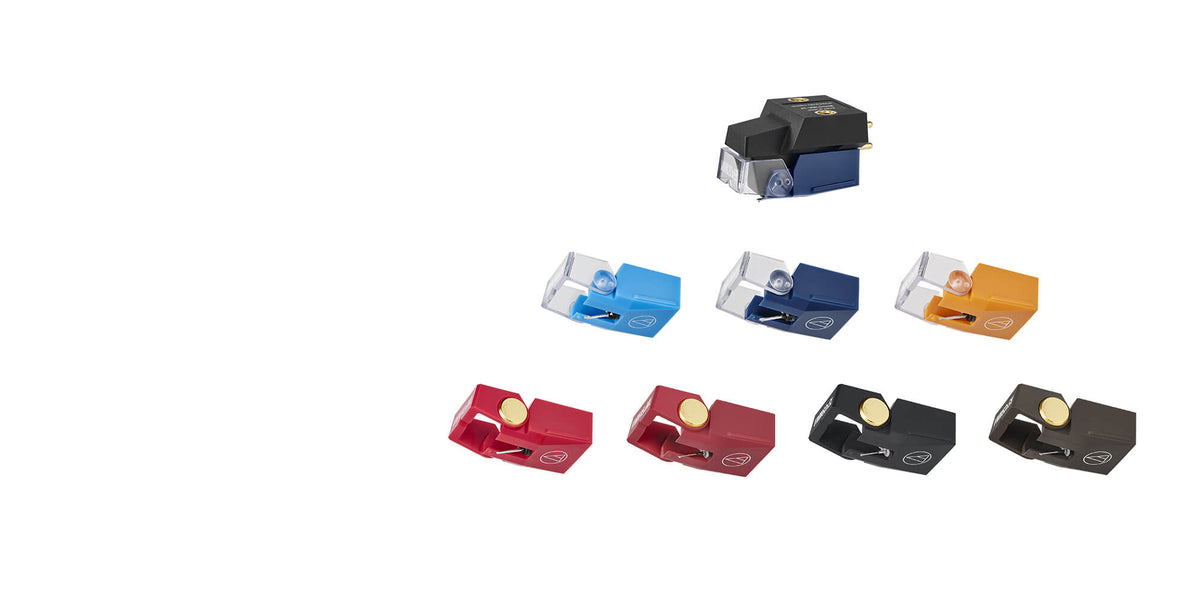
- Audio-Technica AT-VMN40xML, pakaitinė patefono adata - Įvairių spalvų patefono adatos


Audio-Technica AT-VMN40xML, replacement turntable stylus
Audio-Technica AT-VMN40xML, replacement turntable stylus - Ask you before buying whether we have this item in a warehouse if we do not have to be ordered and arrive within 2-21 days.
▪️ Do you have questions about this product?❓We can consult by phone +370 683 90000 or come to our salon Armatūrinininkų St. 1, Kaunas.
Free delivery in Lithuania from € 100
Free delivery in Lithuania from € 100
In Lithuania, Venipak courier delivery is available via 1-2 business days.
Delivery outside Lithuania within 4-10 business days.
Pick up the goods in the store for € 0
Pick up the goods in the store for € 0
Armatūrinininkų St. 1, Kaunas
Working hours: Thursday 9:00-18:00
INFORMACIJA
Audio-Technica AT-VMN40xML - a high-end replacement turntable stylus with a Nude MicroLinear profile diamond and a tapered aluminum cantilever. It is designed to track the vinyl record groove with extreme precision, reproduce subtle high-frequency details, and ensure a smooth, detailed sound. Recommended tracking force is 2.0 g.
Stylus: Nude MicroLinear
Stylus size: 2.2 × 0.12 mil
Tracking force: 1.8–2.2 g
Recommended tracking force: 2.0 g
Compatible cartridge: AT-VM740xML
Additional compatibility: VM540ML, VM740ML
DESCRIPTION
Overview
AT-VMN40xML
2.2 x 0.12 mil microlinear replacement stylus with tapered aluminum cantilever for these cartridges:
AT-VM740xML
VM540ML
VM740ML
Since all AT-VMx and VM Series cartridges share the same body design and have a removable stylus, you can use almost any AT-VMNx or VMN replacement stylus* with any VMx or VM cartridge for easy experimentation with sound characteristics.
AT-VMN10xCB (conical/bonded/aluminum cantilever)
AT-VMN20xEB (elliptical/bonded/aluminum cantilever)
AT-VMN30xEN (elliptical/nude/aluminum cantilever)
AT-VMN40xML (microlinear/nude/aluminum cantilever)
AT-VMN45xML (microlinear/nude/boron cantilever)
AT-VMN50xSH (Shibata/nude/boron cantilever)
AT-VMN60xSL (special line contact/nude/boron cantilever)
* Excludes mono models
Styli Shapes
What Shape to Choose?
The purpose of a stylus is to ride along the record groove capturing movement, which is then transferred into an electrical signal within the cartridge. Audio-Technica produces styli in five different shapes (Conical, Elliptical, Microlinear, Shibata, and Special Line Contact) that make contact with the record groove and capture movement in different ways, creating unique sound characteristics.
Styli Shapes
Conical Styli
The conical stylus is the simplest and most widely used stylus. Its spherical tip normally touches the center of the record groove walls. A conical stylus works best for low- to moderately-priced turntables and audio setups. It is also ideal for mono (vinyl with one channel) and older 78 RPM records. However, its shape prevents it from making detailed contact with much of the record groove walls, resulting in less fidelity.
Styli Shapes
Elliptical Styli
The elliptical stylus has two radii, the front radius being wider than the side radius. The front radius rides in the center of the groove like the conical, while the smaller side radius makes more contact with the groove walls. More contact with the record groove walls delivers a higher level of fidelity.
Styli Shapes
Microlinear Styli
The Microlinear stylus almost exactly duplicates the shape of the cutting stylus that produces the original master disc (the disc used to create the pressed vinyl record). This likeness enables the Microlinear stylus to track portions of the groove other styli cannot reach, resulting in extremely accurate tracing of high-frequency passages and a flat frequency response within the audible range. The unique multilevel shape also wears more evenly, greatly extending record and stylus life.
Styli Shapes
Shibata Styli
The Shibata stylus was originally developed to play four-channel (quadraphonic) vinyl records. The Shibata stylus has two radii, similar to an elliptical stylus. However, the radii of a Shibata stylus allow for more surface contact and effective pickup of ultra-high frequencies with less groove stress and distortion.
Styli Shapes
Special Line Contact Styli
The special line contact stylus is shaped to track the record groove with the highest level of precision, resulting in excellent high-frequency response, low distortion and minimum abrasion. The special line contact stylus makes more surface contact than any other stylus shape. It should be noted that due to its high-fidelity, the line contact stylus may produce more noise on heavily worn records. The line contact tip is used on our higher-end cartridges.
Styli Shank
Round or Square Shank?
The stylus shank is the piece that connects the tip to the cantilever. A round shank can be more difficult to align when it is affixed to the cantilever. Proper alignment is needed in order to position the stylus tip precisely in the record groove.
Square shank styli cost more to make than round shank styli, but mounting them in laser-cut square holes in the cantilever locks them in precise alignment with the record groove.
Styli Shank
Bonded or Nude?
In a bonded (or jointed) stylus, a diamond tip is glued on a metal shank that is itself glued into the hole of the cantilever. While less expensive to manufacture, this construction may increase the mass of the overall tip and affect transient response compared with a nude stylus where the tip and shank are constructed from a single piece of diamond.
Nude styli, shaped from whole diamonds, are more costly than bonded styli. Their lower mass allows nude styli to track more accurately. Also, since our nude styli are grain-oriented, with their longest-wearing faces touching the record surface, they last longer.
Cartridges Are at Our Core
Our Story
In the early 1960s at Tokyo’s Bridgestone Museum of Art, curator Hideo Matsushita hosted LP listening concerts, where people would experience vinyl records played on high-quality audio equipment. Matsushita was moved by the positive reactions guests had to the music, but was frustrated that the expense of high-fidelity listening prevented many people from experiencing it.
In 1962, Matsushita founded Audio-Technica with the vision of producing high-quality audio for everyone. And following this vision, he soon created the first truly affordable phono cartridge, the AT-1, in the company’s small flat in Shinjuku, Tokyo.
TECHNICAL DATA
Cartridge & Stylus
Tracking Force 1.8 to 2.2 g (2.0 g standard)
Stylus Construction Nude Microlinear
Cartridge (sold separately) AT-VM740xML
Notes For product improvement, the product is subject to modification without notice.
DOCUMENTS

Audio-Technica AT-VMN40xML, replacement turntable stylus
